



High Tensile Brass Bar
Description
Technical Parameters
Introduction
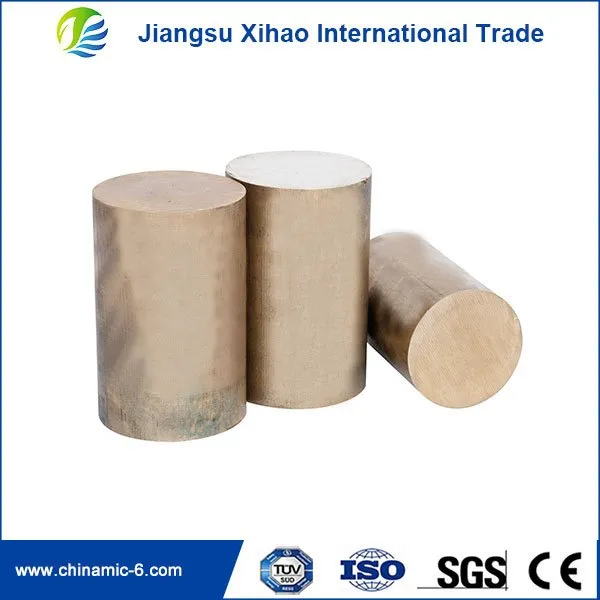
C18150 high tensile brass bar relies on the exceptional copper alloy CuCrZr 2.1293 as its main component. This alloy is truly remarkable, boasting high electrical conductivity, hardness, and ductility. Additionally, it exhibits moderate strength and offers outstanding resistance to softening at high temperatures. The secret to its impressive properties lies in the combination of 0.1% zirconium (Zr) and 1.0% chromium (Cr) with copper.
By incorporating these alloying elements, a heat treatable alloy is formed, capable of undergoing solution treatment and aging processes to achieve the desired characteristics. The manufacturer generally provides the rod in its fully aged and drawn condition, alleviating the need for additional heat treatment by fabricators.
One noteworthy advantage of properly heat-treated C18150 rod is its significantly higher softening temperature compared to unalloyed pure copper and even coppers containing silver. While unalloyed copper softens at 200°C and silver-carrying coppers at 350°C, the softening temperature of properly heat-treated C18150 rod exceeds 500°C. This exceptional heat resistance is a testament to the alloy's superior performance and reliability.
In summary, the CuCrZr 2.1293 copper alloy serves as a dependable foundation for C18150 high tensile brass bar. Its combination of high electrical conductivity, hardness, ductility, and resistance to softening at high temperatures make it an excellent choice for various applications. The heat treatable nature of this alloy allows for efficient processing, and its elevated softening temperature ensures exceptional durability under demanding conditions.
Application
The electrical industry makes use of both resistance welding electrodes and circuit breakers. These two components play a crucial role in different aspects of the industry. Resistance welding electrodes are used to join metal parts together by creating an electrical current that generates heat, ultimately fusing the parts. Circuit breakers, on the other hand, are used to protect the electrical system by breaking the circuit when there is an overload or a short circuit. These two components are essential in ensuring the efficient and safe functioning of electrical systems in various applications.
Examples of products that can be used by consumers include tips, pencil-style soldering irons, and rod extensions. These items can be helpful for a variety of tasks and projects, including DIY projects and repairs. Whether you're a hobbyist or a professional, having the right tools can make all the difference in the quality and effectiveness of your work. So if you're in need of some reliable and easy-to-use consumer items, consider investing in rod extensions, pencil-style soldering irons, and tips.
Resistance seam and spot welding are common techniques used in industrial settings. These methods involve the use of welding wheels, tips, and rod extensions. These components play a crucial role in ensuring the effectiveness and efficiency of the welding process.
Welding wheels are an essential part of resistance seam and spot welding. They are typically made from materials like copper or other conductive alloys that can withstand the high temperatures generated during the welding process. The wheels are designed to provide a stable and secure contact point for the weld, ensuring proper heat distribution and minimizing the risk of defects.
Tips are another vital component in resistance seam and spot welding. They are usually made from copper alloys and serve multiple purposes. First, they act as a conductive element that transfers electrical current to the welding point. Second, tips help focus the heat and pressure on the desired area, allowing for precise and controlled welding. Different tip shapes and sizes can be used depending on the specific welding application.
Rod extensions are additional tools used in resistance seam and spot welding. These extensions are attached to the welding machine and provide an extended reach. They allow welders to access hard-to-reach areas or work on large structures without the need for repositioning the welding equipment. Rod extensions come in various lengths and can be easily attached or detached as needed.
Overall, resistance seam and spot welding wheels, tips, and rod extensions are critical components in the welding process. They enable welders to achieve strong and reliable welds while ensuring safety and efficiency in industrial environments.

Our Service
Thank you for your inquiry. We strive to provide a prompt response to all inquiries received within 24 hours. Our team is dedicated to ensuring that you receive the information you need in a timely manner. Please feel free to reach out to us with any further questions or concerns.
Experienced individuals are committed to ensuring the accuracy and promptness of your order. They prioritize doing the right thing to meet your requirements efficiently.
Our commitment to timely delivery guarantees that your products will be finished within 25 days after receiving the initial payment.
Welcome to order and customized!
Our Company
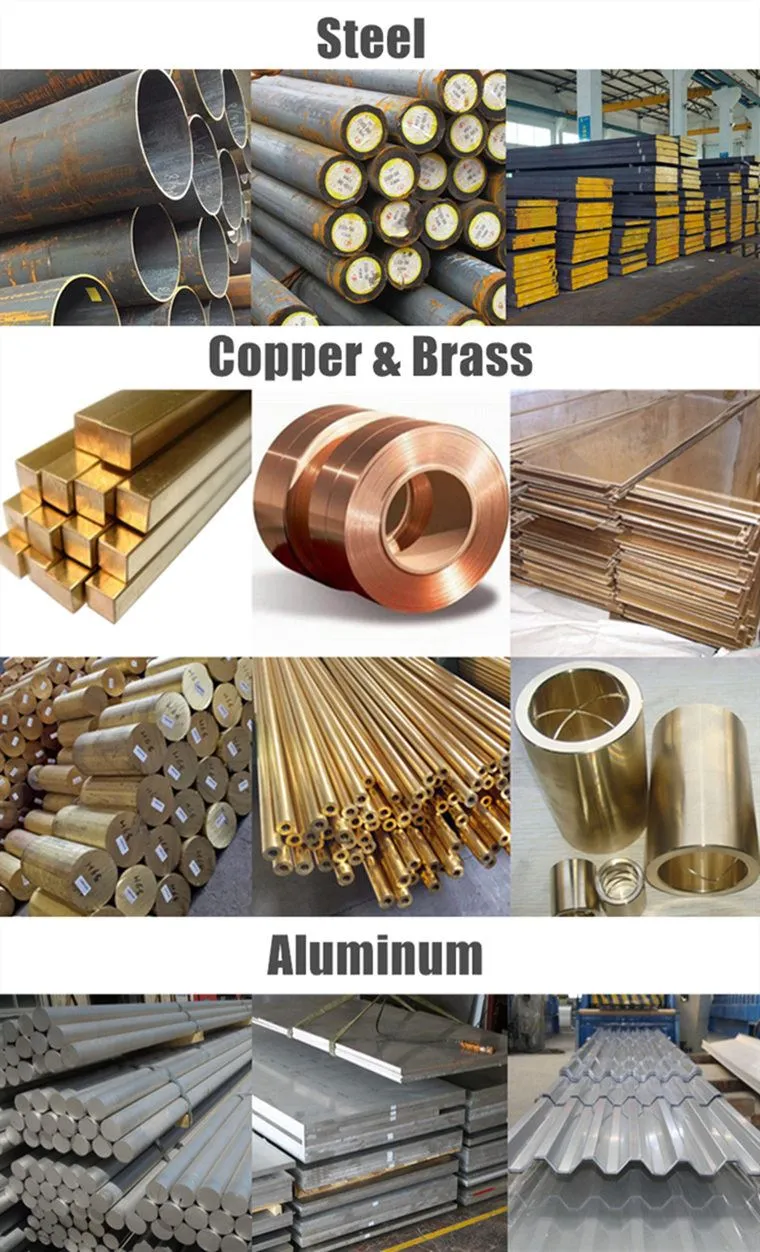
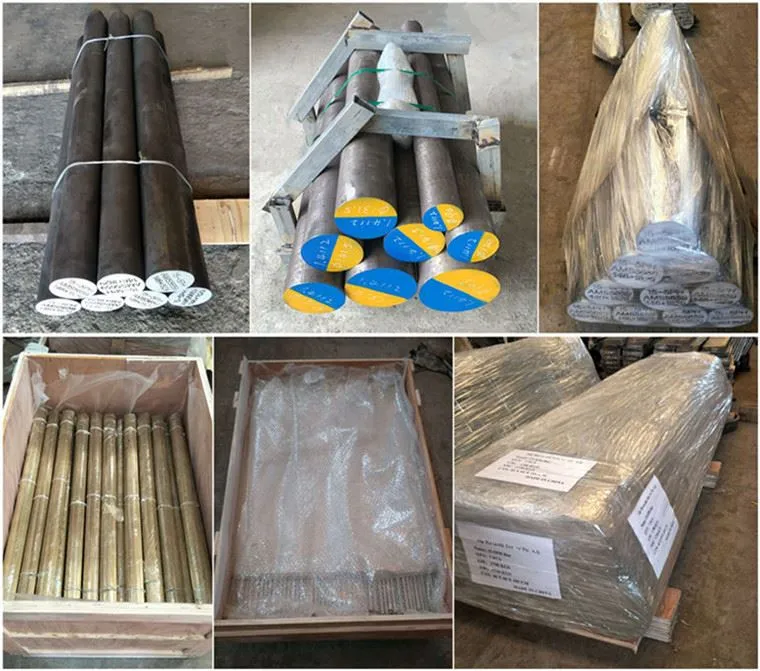
Our company is equipped with a vast warehouse that has a high storage capacity. We have a wide range of sawing equipment available to meet various demands. We also have strong connections in China that enable us to source and procure over 4,500 different types of alloy materials.


Hot Tags: high tensile brass bar, China high tensile brass bar suppliers
Previous
CuSn12 Round BarSend Inquiry


